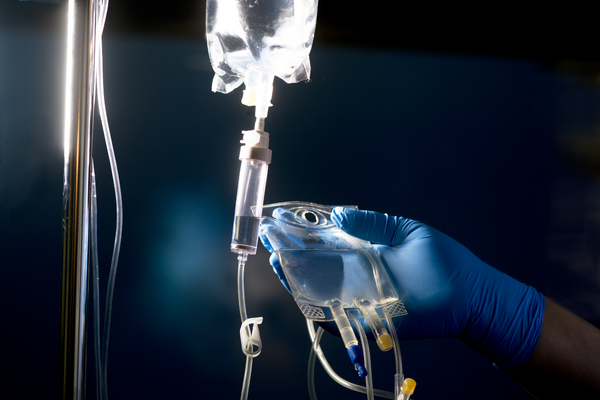
Perth company Patrys has started in-human testing of its intravenous version of the antipsychotic quetiapine. The first healthy volunteers have now been dosed in a Phase 1a trial of the drug, known as RLS-2202.
The company is developing RLS-2202 as a possible treatment for delirium in acute care settings such as hospital wards. Quetiapine has long been taken as a tablet to treat schizophrenia and bipolar disorder. Patrys says its intravenous formulation aims to provide "an alternate, faster and safer, route of administration for patients with delirium in acute-care clinical settings."
Chief executive Dr Samantha South said the start of dosing moved the program into a new phase.
"We are delighted to announce the dosing of the first participants in our Phase 1a clinical trial. This is a major milestone for RLS-2202 and for Patrys. We have now moved from developing the formulation and preparing for the clinic to generating human clinical data. We look forward to evaluating the clinical data, as these results will inform the strategy for advancement into later‑stage development."
The study is a bridging trial. Its main purpose is to test the safety and tolerability of RLS-2202 in healthy adults. It will also measure how the drug moves through the body and help set the doses for later studies. Each participant in the first cohort will receive both the standard oral quetiapine and RLS-2202, with a four-day washout period between them. Doses will increase in steps, and the trial can move from the first cohort to the second only after review by an independent Safety Review Committee.
Patrys said the trial will show whether giving quetiapine intravenously produces any clinically meaningful differences from the well-established profile of the oral drug. The company expects the results to shape future trials testing whether the drug works in patients with delirium. They should also inform talks with regulators about how far the existing safety information for oral quetiapine can be relied on for RLS-2202. If later results are positive, that work could support a path to regulatory approval.
Patrys has finished manufacturing and filling the clinical trial material for the second cohort to Good Manufacturing Practice standards. The product is now going through quality control testing before it can be released for use. If it passes, the company expects to have enough material to dose the second cohort.