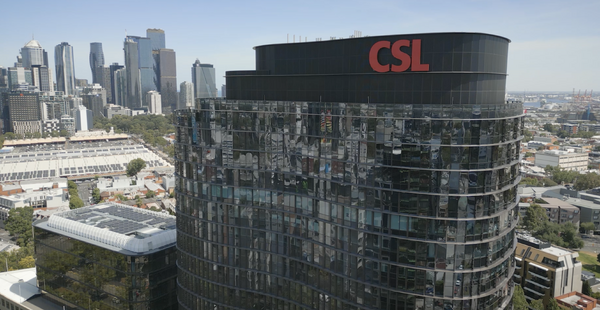
CSL has taken another step in its push to expand its portfolio of innovative therapies, announcing a new licensing agreement with Eli Lilly that could broaden the future reach of its monoclonal antibody candidate, clazakizumab.
The deal signals both companies’ intent to accelerate the development of treatments targeting serious inflammatory and cardiovascular conditions.
Under the agreement, CSL will keep exclusive control over the development and commercialisation of clazakizumab for preventing cardiovascular events in patients with end-stage kidney disease (ESKD). The company is already advancing this effort through its ongoing Phase 3 POSIBIL trial, which is evaluating whether the drug can safely reduce major cardiovascular risks among dialysis patients.
While CSL focuses on kidney-related cardiovascular prevention, Lilly will take the lead in exploring clazakizumab’s potential in other indications, including pursuing global regulatory approvals and commercialisation beyond CSL’s retained field. The arrangement also offers significant financial upside for CSL, including a $100 million upfront payment, as well as potential milestone payments and royalties tied to global sales.
Clazakizumab itself has a long development history. Originally developed by Vitaeris and later acquired by CSL in 2020, the therapy targets interleukin-6 (IL-6), a cytokine that plays a central role in inflammation and immune signalling. Elevated IL-6 levels are linked to chronic inflammatory states and multiple diseases, making the pathway an attractive target for drug development. By blocking IL-6 from binding to its receptor, clazakizumab may interrupt the inflammatory cascade that drives disease progression.
CSL’s head of research and development, Bill Mezzanotte, framed the partnership as part of the company’s broader strategy to deliver new therapies globally, emphasising both the candidate's scientific promise and the alignment between the two organisations. The collaboration, he noted, is intended to maximise the medicine’s potential impact across multiple conditions.
The transaction is still subject to customary closing conditions, including regulatory clearances, but the announcement highlights how major pharmaceutical players are increasingly forming targeted alliances to spread risk, accelerate clinical progress, and expand commercial reach.