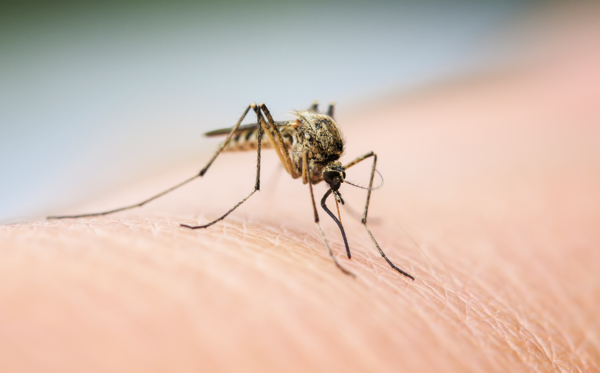
A new antimalarial drug candidate developed through a long-running collaboration between Melbourne’s WEHI and MSD is showing promise in the fight against malaria, particularly as resistance to existing treatments continues to spread.
The first-in-class molecule, MK-7602, has demonstrated potent activity against multiple stages of the malaria parasite’s life cycle, raising the prospect of a therapy that could both treat infection and curb transmission.
The pre-clinical findings, now published in eBioMedicine, indicate that the compound targets two essential enzymes used by Plasmodium falciparum and Plasmodium vivax, the two most common malaria parasites affecting humans. This dual mechanism may help slow the emergence of drug resistance, one of the most serious obstacles to malaria eradication.
Malaria remains one of the world’s most deadly infectious diseases, killing around 600,000 people a year, with children under five disproportionately affected. Experts estimate that a child dies from malaria every minute. New treatments are urgently needed as parasites adapt to and evade the effects of existing frontline drugs.
WEHI’s Professor Alan Cowman AC, the study’s lead investigator, said the findings represent an encouraging advance. “The evaluation of MK-7602 represents an important step in our fight against malaria. Its ability to target multiple stages of the parasite life cycle, combined with its high barrier to resistance, supports our efforts to find new ways to combat this devastating disease.”
MSD Discovery lead Dr David Olsen echoed the sentiment, emphasising the global need for innovative therapies. “The development of MK-7602 exemplifies our commitment to addressing critical global health challenges. We are encouraged by these results and look forward to further investigating this candidate as a potential new tool in malaria control and elimination efforts.”
The drug’s development emerged from nearly a decade of collaboration between WEHI and MSD, supported by WEHI’s National Drug Discovery Centre, whose advanced screening capabilities were instrumental in identifying the compound. Researchers assessed MK-7602 in mouse studies and laboratory tests using human blood cells, evaluating its effects on parasites at the blood, liver, and transmission stages.
Wellcome, the Drakesnberg Trust and the National Health and Medical Research Council of Australia supported the work.