Thirty Australian women have already experienced restorative breast surgery using absorbable scaffolds designed to regenerate lost breast tissue, and the company behind the technology is moving quickly through human trials.
BellaSeno has completed a world-first safety study and is now running a pivotal clinical trial, which began in January 2026, with surgeons and investigators, Professor Owen Ung and Professor Anand Deva, leading the program.
The scaffolds are made from 100 per cent medical-grade polycaprolactone, a material with a long history of safe use in absorbable sutures, and are inserted into the breast and then seeded with the patient’s own fat to provide a framework for tissue growth over one to two years.
Results from the first-in-human safety study of 19 patients between 2021 and 2023 were presented by Professor Deva at The Aesthetic MEET 2026 in Boston and showed no scaffold-related complications, including capsular contracture, infection, necrosis, calcification, oil cysts, or scaffold removals.
The study also reported high patient-reported satisfaction with 83 per cent mean breast volume retention and tissue outcomes.
Professor Deva said that clinicians reviewing MRI scans of these patients a few years after scaffold insertion would say they were simply looking at normal breast tissue.
Enrollment in the current pivotal trial is ongoing, with 11 patients treated so far and dozens more enrolled.
“There are now 30 women walking around the world who have had breast scaffold surgery across both trials. By the end of August, we expect that number will more than double as we have many more patients scheduled for surgery,” Professor Deva said. He added that by the time the trial concludes, the team will have generated a robust scientific evidence base focused on efficacy, safety, and longer-term patient outcomes and that the field has entered the era of medical regeneration.
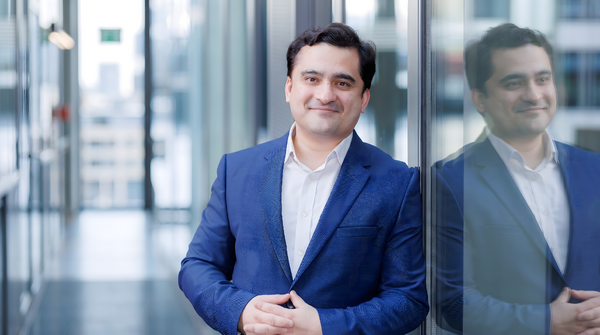
BellaSeno co-founder and chief executive officer Dr Mohit P. Chhaya said the company’s aim from the start was to advance a regenerative approach to soft tissue restoration through rigorous science and collaboration between scientists, engineers, surgeons and patients.
He said the company is now considering pathways from clinical investigation to future commercialisation and broader clinical access.
“Regenerative soft tissue surgery is no longer a futuristic idea. Dozens of patients have had these procedures, and many more are going to as part of human clinical studies, which are happening inside operating theatres now,” Dr Chhaya said.